नयी नौकरी
Crystals for a New Job
For the new desk, and the nerve to walk in on day one.
A new job comes with a new desk that has nothing on it yet. A small stone is an easy first thing to put there; it personalises the space and gives you something to look at between tasks.
Choose between a desk piece and a carry piece: one that stays at work, or one that goes in a bag for the interview and the first few mornings.
When to give it: On accepting the offer, or as a first-day or promotion gift.
What to give
- Citrine
Long called the merchant's stone. The piece people put on a work desk or a new venture for a hopeful start.
- Tiger's Eye
A carry stone for the interview and the first week; worn traditionally for standing your ground.
- Clear Quartz
For focus at a new desk with a lot to learn quickly.
- Black Tourmaline
Kept between a person and a screen; a grounding piece for a stressful stretch.
How to give it
A polished tower or a small cluster looks deliberate on an office desk in a way a rough chunk does not. Pair it with the care card so it does not get washed under a tap by mistake.
Pieces to consider
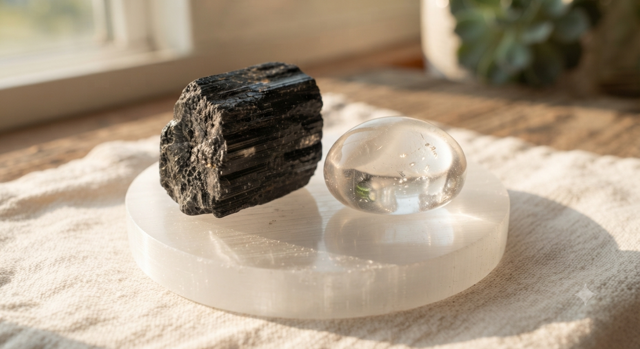 Natural stone · lab-checked
Ghar ki Potli : for a home
The bundle Dadi pressed into your hands when you moved into a new place.
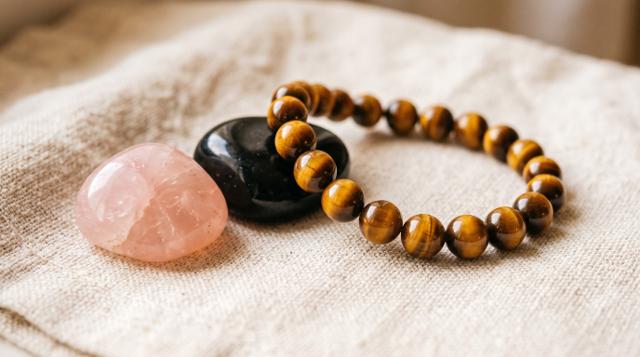 Natural stone · lab-checked
Safar ki Potli : for someone leaving
For the one packing a bag, hostel, a first job, a new city, a flight.
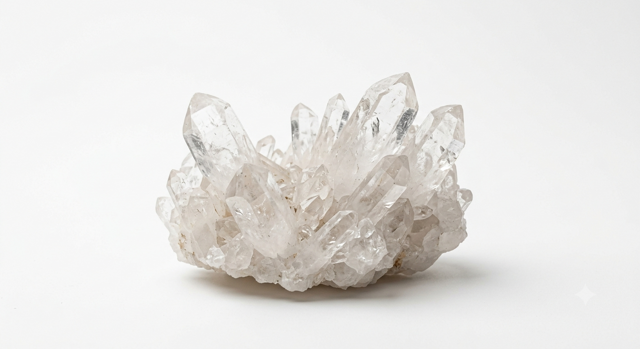 Natural stone · lab-checked
Clear Quartz Cluster
A raw clear quartz cluster from the Himalayan foothills, cleansed under moonlight before it left our hands.
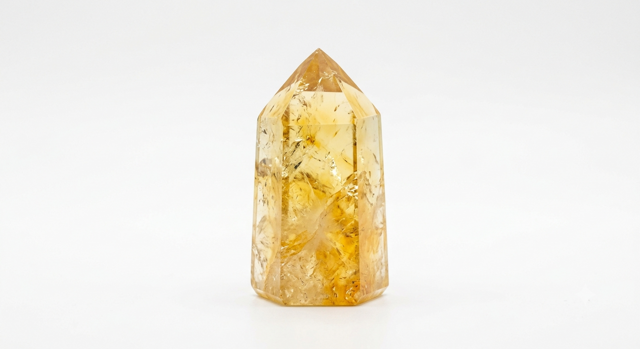 Natural stone · lab-checked
Citrine Point
A hand-polished citrine point, warm as afternoon sun and a soft, even lemon-honey gold — natural citrine, not heat-treated amethyst.
 Natural stone · lab-checked
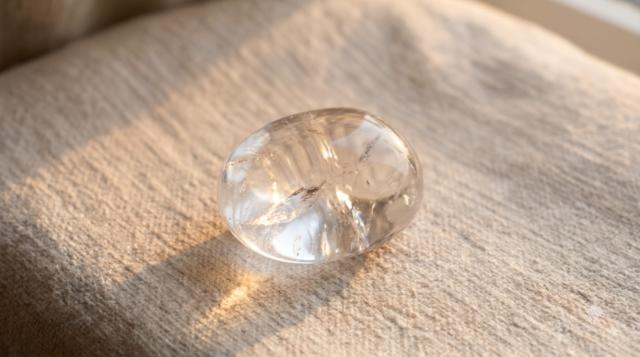
Clear Quartz Tumbled Stone
A clear quartz tumbled stone, bright as spring water and cool in the hand even in a warm room.
 Natural stone · lab-checked
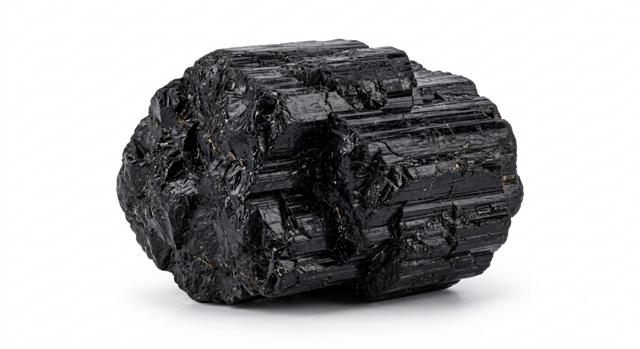
Black Tourmaline Raw Chunk
A raw chunk of black tourmaline, matte black and ridged with fine lengthwise grooves like a bundle of rods, dense and cool in the hand.
Common questions
Descriptions of what stones are “for” reflect traditional folklore, not medical fact.