जेब के पत्थर
Tumbled Stones
These are the little ones, beta, smooth from tumbling and about the size of a thumbprint. They are the stones I pressed into hands most often: one in a school bag before an exam, one in a purse for a long journey, one under the pillow for a child who could not sleep.
Because they are small, they are the gentlest way to begin. Carry one for a week and see whether you reach for it. Rose quartz for tenderness, amethyst for calm, citrine for a hopeful start, clear quartz for a clear head, selenite to keep the others fresh, or the 7 chakra set if you cannot choose.
Every tumbled stone is natural and comes from a batch tested by a gem lab in Jaipur. Natural stone varies, so yours may have a small pit or a flat side; that is how you know it was never moulded. Each one comes wrapped in cloth with my blessing card.
If you are buying for someone else, a tumbled stone is the gift that never feels like too much: small enough for a child's hand, quiet enough for a colleague's desk, and easy to tuck into a card or a box of mithai. It costs little and is kept for years.
6 pieces on this shelf
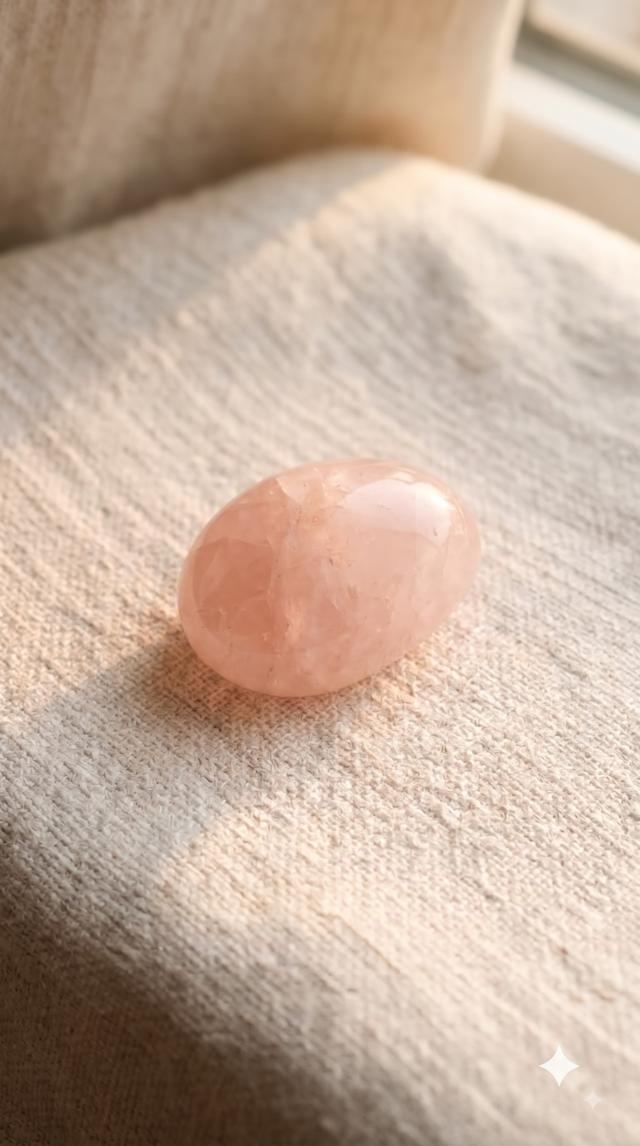 Natural stone · lab-checked
Rose Quartz Tumbled Stone
A palm-smooth rose quartz tumbled stone, soft cloudy pink and cool to the touch for a moment before it warms.
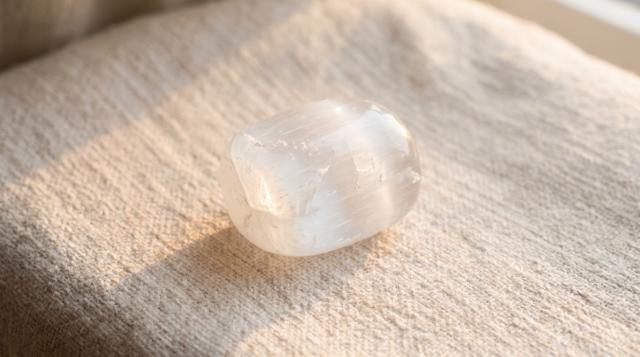 Natural stone · lab-checked
Selenite Tumbled Stone
A little piece of selenite, pale and pearly like a sliver of moon, striped with fine fibres that catch the light like satin.
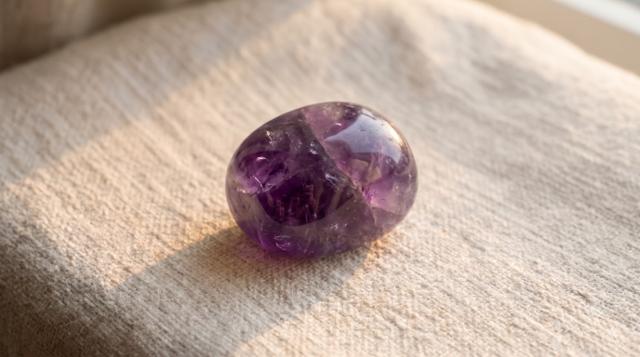 Natural stone · lab-checked
Amethyst Tumbled Stone
A tumbled amethyst pebble, deep violet and glass-smooth, its colour sitting unevenly through the stone the way natural amethyst does.
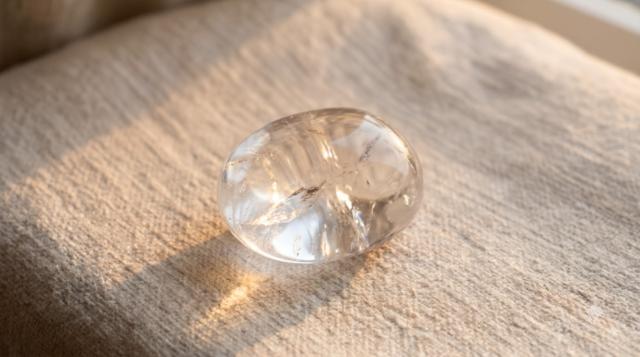 Natural stone · lab-checked
Clear Quartz Tumbled Stone
A clear quartz tumbled stone, bright as spring water and cool in the hand even in a warm room.
 Natural stone · lab-checked
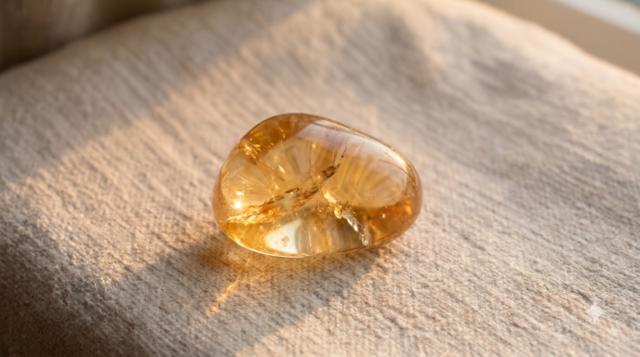
Citrine Tumbled Stone
A warm golden citrine tumbled stone, the colour of afternoon honey, a soft, even lemon-gold, because this is natural citrine, not heat-treated amethyst.
 Natural stone · lab-checked
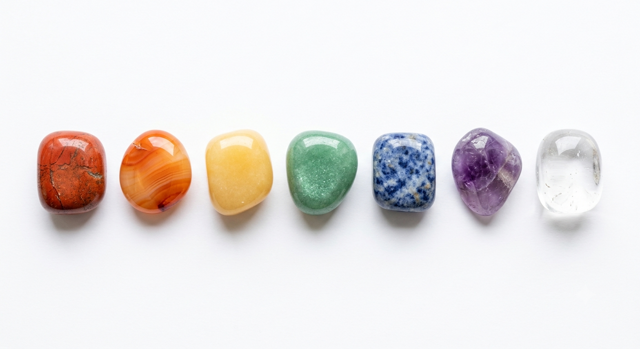
7 Chakra Tumbled Stone Set
Seven tumbled stones, one for each chakra from root to crown, in a drawstring pouch with a printed card that tells you which stone is which and where it sits.
Common questions
Descriptions of what stones are “for” reflect traditional folklore, not medical fact.